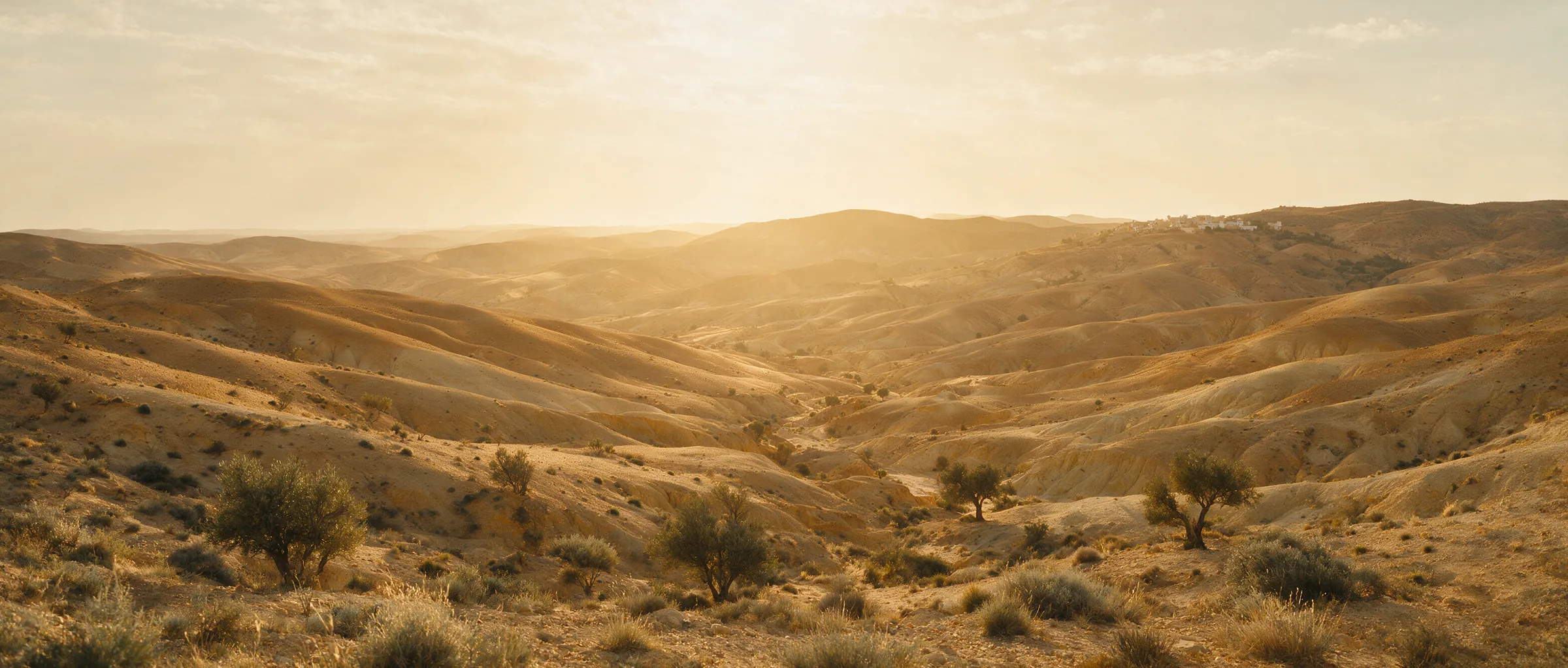
Tunisia
Where the desert meets the sea.
A small country with an outsized larder. This is the place inside every jar.
You taste the country before you read the label. The plant, the soil, the season: all of it travels in the honey.
Geography
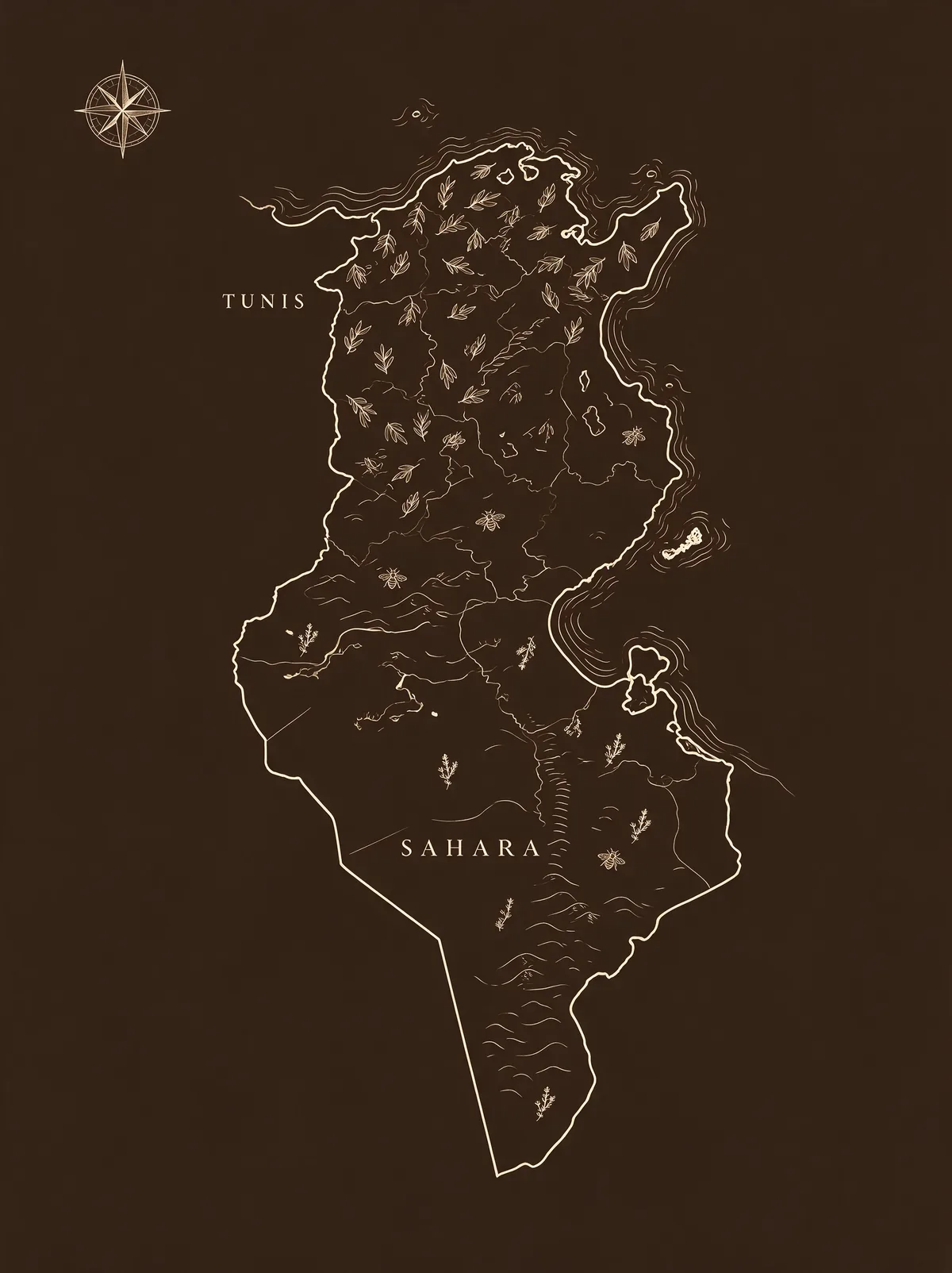
Three landscapes in one country.
The north is green and Mediterranean, dense with olive groves and cork forest. The centre dries into open plains. The south fades into the Sahara, where date palms and hardy desert flora survive on very little.
Each band grows different plants, and bees follow the flowers. That is why a single country can produce honeys that taste nothing alike.
Origin
Four blossoms, one tree.
Sidr
From the jujube trees of the arid south. Dense, dark, and slow to crystallise.
Coriander
Central farmland, where coriander flowers in spring. Warm and gently spiced.
Thyme
Wild hillside thyme in the north. Herbal, bright, and aromatic.
Eucalyptus
Coastal groves planted a century ago. Bold, resinous, faintly medicinal.
Ancient Olive Oil
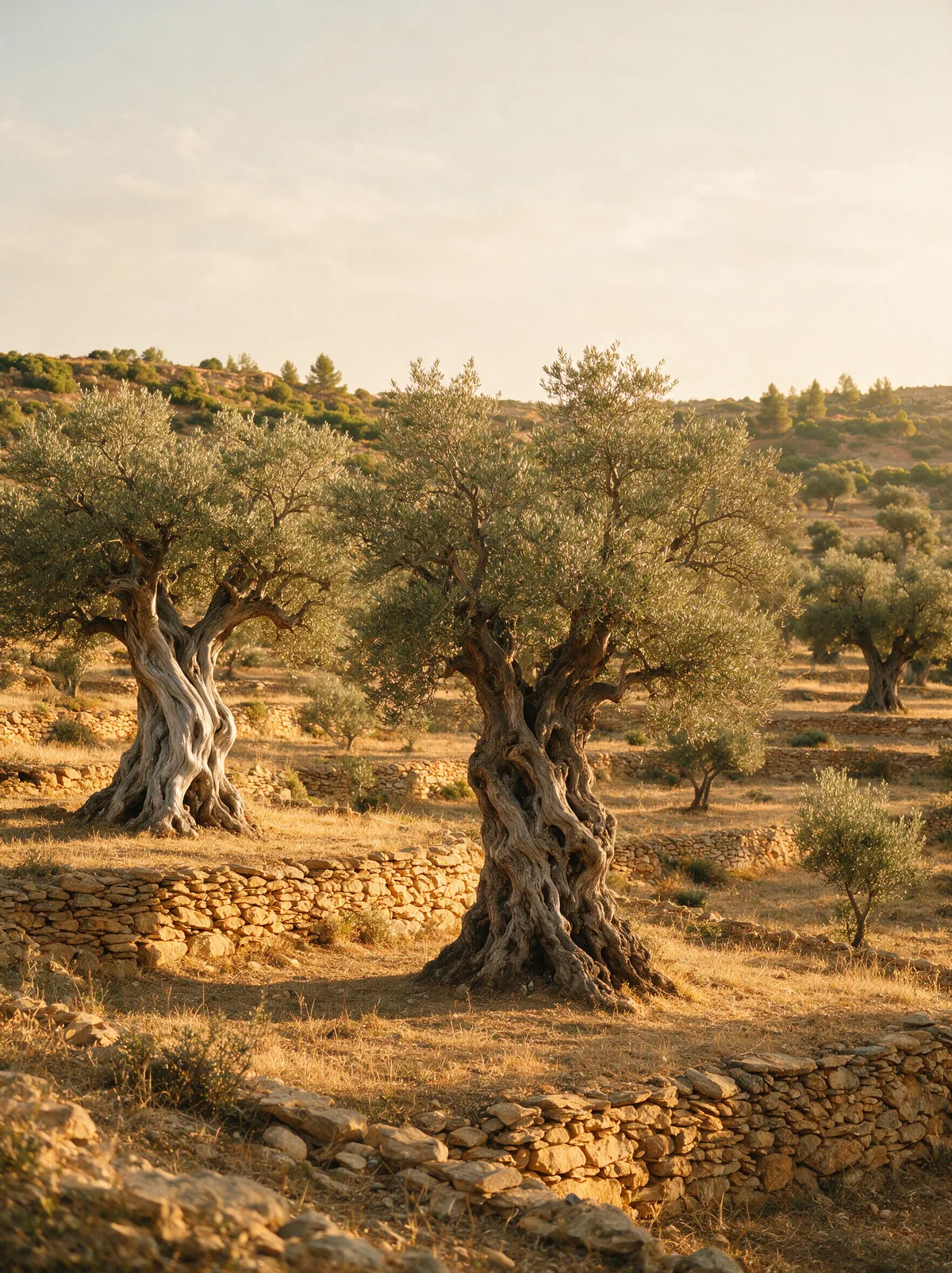
The blossoms change with the seasons. The olive trees of Kesra have not moved in a thousand years. Their oil is in Discovery and Signature. The story of the trees
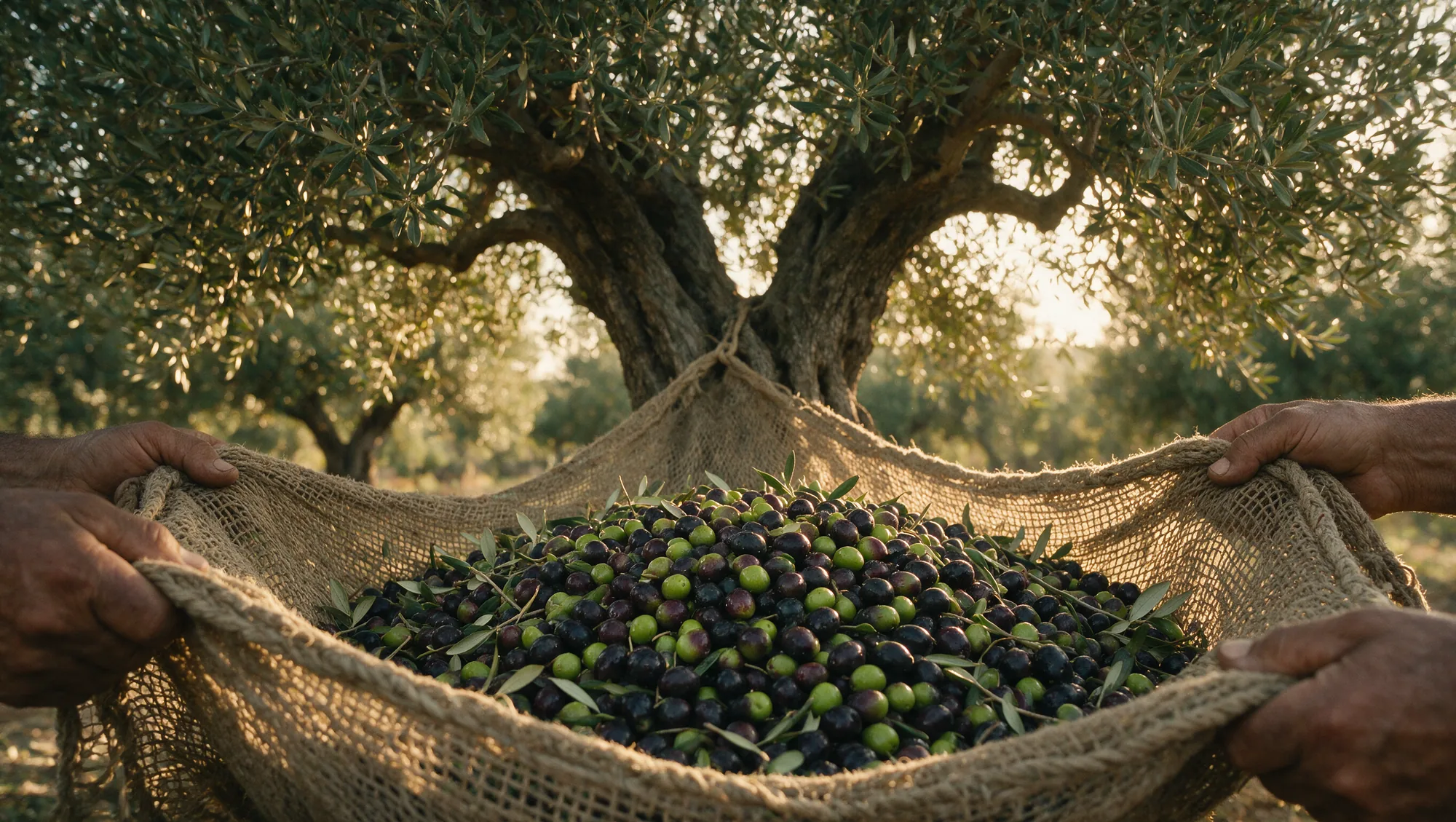
Kesra · Siliana Governorate
Older than the towns around them.
The Phoenicians brought the olive tree to North Africa some three thousand years ago, and under Rome, Tunisia became one of the great oil stores of the Mediterranean. Below the hilltop village of Kesra stand forests left over from that continuity: wild and semi-wild olive trees, the oldest over a thousand years old, some three thousand. They still bear fruit every year.
Our oil comes from these groves. Local families harvest the trees by hand, without heavy equipment, as the soil and the roots require. The Tunisian state protects the old trees by law; none may be cut or moved without authorization. We keep the oil unblended, so the forest remains legible in the bottle.
Berber · Arab · Mediterranean
Many hands, one table.
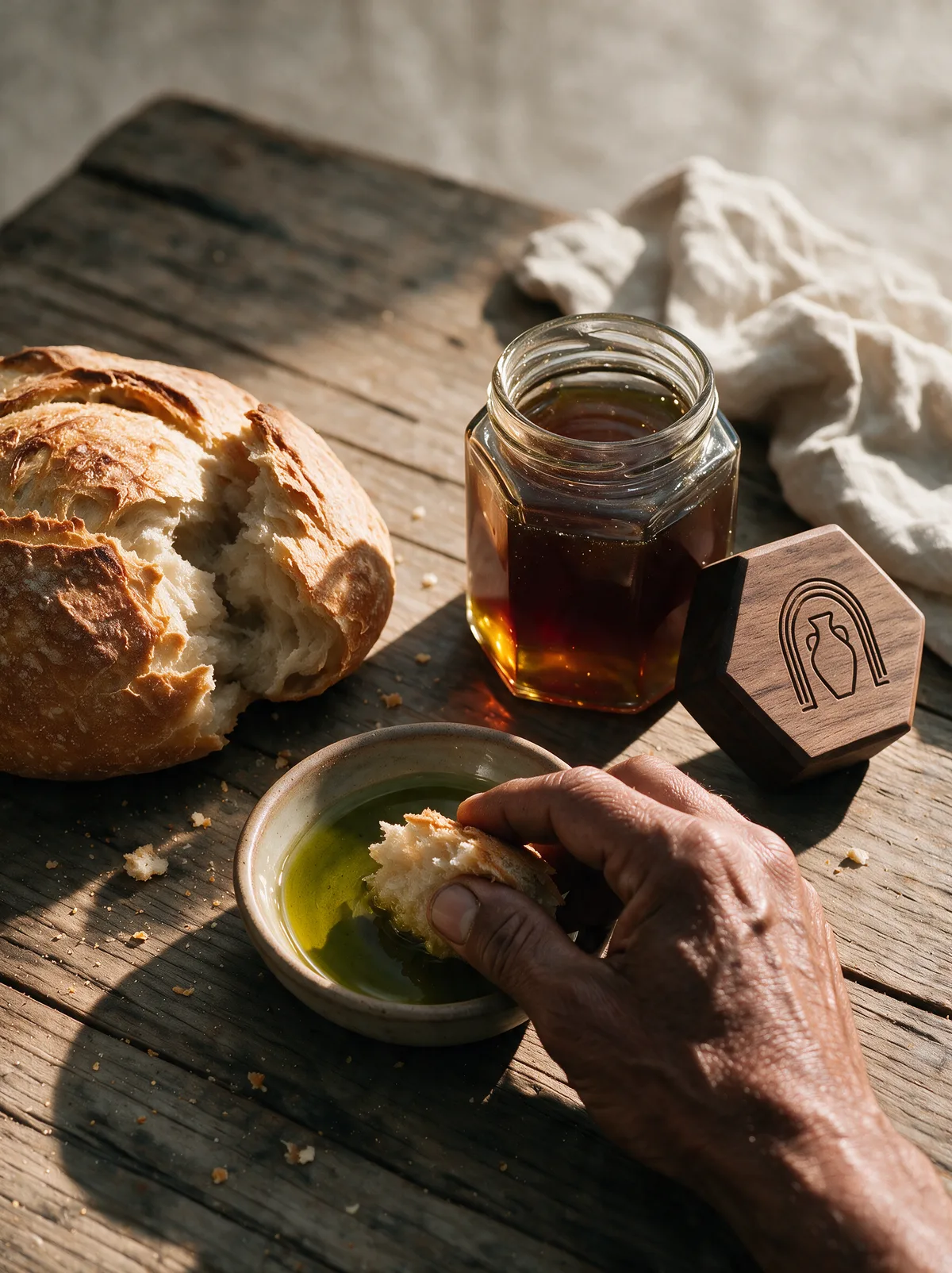
Tunisian food is a record of who has passed through: Berber roots, Arab and Andalusian arrivals, Ottoman and French centuries, all on a Mediterranean base. Honey and oil run through all of it, in bread, in pastry, in the small rituals of a guest being welcomed.
To offer honey to a guest is older than any border drawn across this land.
On Tunisian food cultureBring a little of it home.
The honey is the vehicle. The journey is the point.